
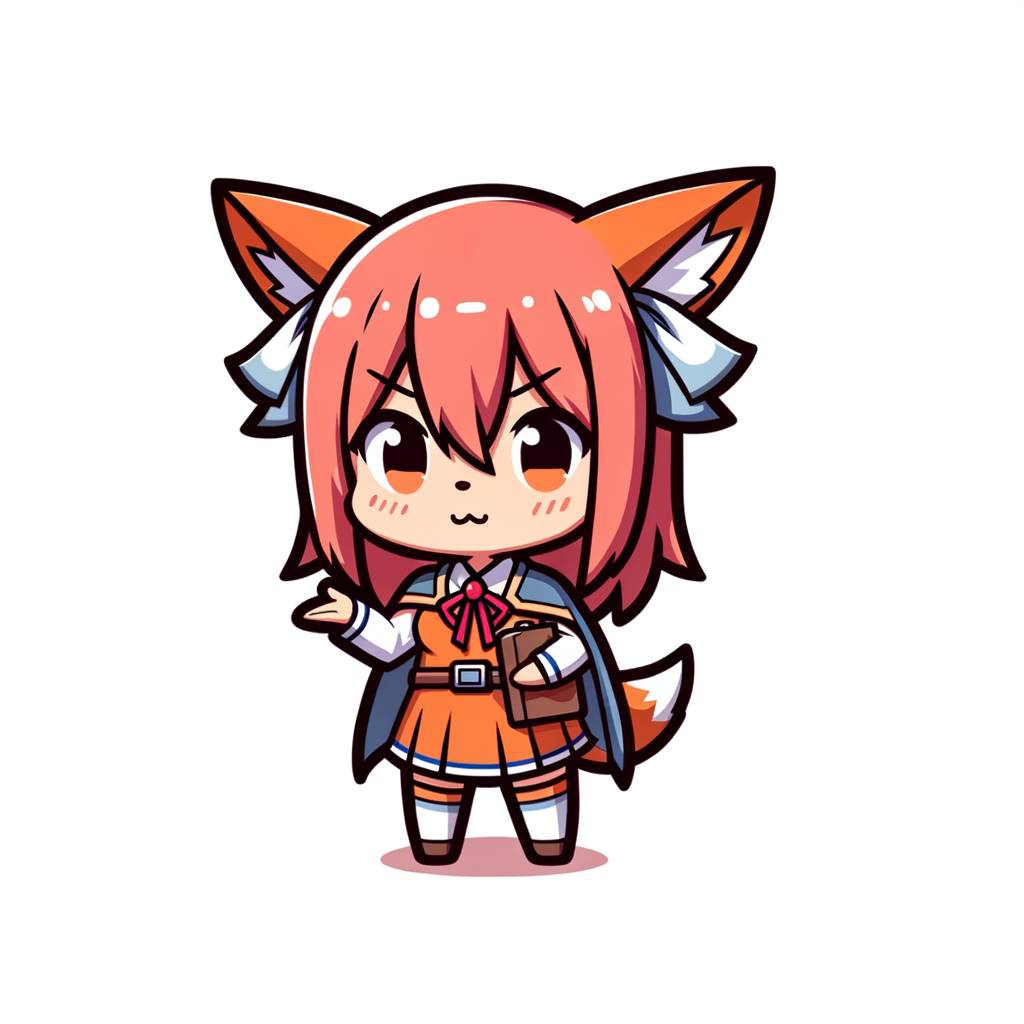
Imagine walking into a room and being greeted by a friendly, welcoming character that instantly brings a smile to your face. This character is not a random guest, but the mascot of a company or brand. It represents not only products or services, but embodies the brand’s values, personality, and story. In this article, we take a deep dive into the world of mascot design and show you how to create a professional mascot for your company or TV production that not only stands out, but also wins hearts.
Why a Mascot?
Before we dive into the creative depths of design, let’s take a look at why a mascot makes sense in the first place. A well-designed mascot can:
- Create emotional bonds: It allows customers to identify with the brand on a more personal level, which can foster long-term brand loyalty. (brand-doctor.net)
- Increase recognition: A unique mascot sets the brand apart from the competition and stays in customers’ minds. (brand-doctor.net)
- Convey complex messages: It can communicate complex brand messages in a simple and understandable way. (brand-doctor.net)
- Offer merchandising potential: Mascots can be featured on various products, opening up additional revenue streams and increasing brand visibility. (brand-doctor.net)
Step-by-Step to the Perfect Mascot
Now that we know the benefits, let’s focus on the process of creating your own mascot. Here are the steps you should follow:
1. Goal Setting and Brand Analysis
Before you make the first stroke on paper, you should ask yourself the following questions:
- What are the core values of my brand? (affck.com)
- Which target audience do I want to reach?
- What message should the mascot convey?
These considerations form the foundation for the design and personality of your mascot.
2. Target Audience Analysis
A mascot should suit its target audience. Develop a deep understanding of the target audience’s characteristics, interests, and values through market surveys, user feedback, and social media analysis. (toyyie.com)
3. Concept Development
Now it gets creative! Think about what kind of character or figure best suits your brand. Should it be an animal, a fantasy creature, or perhaps an anthropomorphic object? Make sure the design is unique and distinctive so it stands out from the competition. (photoshop-weblog.de)
4. Color and Style Selection
The colors and style of your mascot should match your brand identity. Choose a limited color palette so the design does not become overloaded. Two or three colors are often sufficient. (photoshop-weblog.de)
5. Sketching and Designing
Start with rough sketches to explore different ideas. Experiment with different poses, facial expressions, and accessories. Remember that the mascot should look good at different sizes and across different media. (toyyie.com)
6. Gather Feedback
Show your drafts to colleagues, friends, or even your target audience and get feedback. Fresh eyes can often offer new perspectives and help refine the design. (toyyie.com)
7. Finalization and Application
Once you are satisfied with the design, create digital versions in various formats. Your mascot should look great across different media such as websites, social media, print materials, and merchandise. (affck.com)
Best Practices for a Successful Mascot
To make sure your mascot truly succeeds, keep the following tips in mind:
- Keep it simple: A clean design is often more memorable and versatile. (photoshop-weblog.de)
- Ensure authenticity: The mascot should feel genuinely aligned with the brand and reflect relevant values. (brand-doctor.net)
- Plan for flexibility: Your mascot should work well at different sizes and across different media. (toyyie.com)
- Appeal to emotions: A likeable mascot can build a strong emotional connection with your target audience. (fastercapital.com)
Examples of Successful Mascots
To give you some inspiration, here are a few well-known mascots and their impact:
| Mascot | Brand | Impact |
|---|---|---|
| Michelin Man (Bibendum) | Michelin | Increased brand awareness and became a symbol of quality and reliability. (brand-doctor.net) |
| Hennes | 1. FC Köln | Is immortalized in the club crest and strengthens fans’ identification with the club. (haptica.info) |
| Vaillant Rabbit | Vaillant | Is used in many ways as a tactile brand ambassador and strengthens brand identity. (haptica.info) |
Conclusion
A well-designed mascot can work wonders for brand identity and customer loyalty. It requires creativity, planning, and a deep understanding of the brand and its target audience. If you follow these steps and keep the best practices in mind, nothing stands in the way of a successful mascot.
At Nekodanshi, we are not only experts in cosplay and event marketing, but also passionate supporters of cosplay conventions. We are happy to attend conventions with our own booth and cosplayers, bringing the world of cosplay directly to you. We also offer a free cosplayer directory called NekoConnect, where cosplayers can register to network and get booked. Visit our website to learn more and become part of our community.
Questions on the Topic
What is a mascot and why is it important?
A mascot is a friendly, welcoming character that embodies brand identity and speaks to customers on a personal level. It can create emotional bonds, increase recognition, communicate complex messages, and offer merchandising potential.
How do I develop a professional mascot for my company?
The process includes several steps: goal setting and brand analysis, target audience analysis, concept development, color and style selection, sketching and designing, gathering feedback, and finalization and application.
What best practices should I follow when designing my mascot?
Important tips are: keep it simple, ensure authenticity, plan for flexibility, and appeal to emotions.
Can a mascot strengthen my company’s brand identity?
Yes, a well-designed mascot can strengthen brand identity by reflecting the brand’s core values and personality, while building a strong emotional connection with customers.
Are there successful examples of using mascots?
Yes, well-known examples include the Michelin Man from Michelin, Hennes from 1. FC Köln, and the Vaillant Rabbit from Vaillant, all of which have contributed to brand awareness and identity.