
Imagine stepping onto a stage illuminated by magical lights while epic sounds echo through the room. Your favorite characters from anime, video games, or films come to life and transport you to another world. Sounds like a dream? For us at Nekodanshi, it’s reality! In this article, we take you on a journey through the fascinating world of lighting and sound concepts for cosplay shows and show you how technology and imagination merge into an unforgettable experience.
The Magic of Light and Sound in Cosplay
As a cosplayer, you know how important it is to portray your character authentically. But what is an impressive costume without the right atmosphere? This is where light and sound come into play. They are the invisible heroes that take your performance to the next level and amaze the audience.
Why are lighting and sound concepts so important?
- Creating the right atmosphere: With the right lighting effects and music, you can significantly influence the mood of your performance. Whether dark and mysterious or bright and cheerful — light and sound set the tone.
- Highlighting details: Certain lighting accents can emphasize special features of your costume or props and draw the audience’s attention.
- Interactive elements: By using sound effects that respond to your movements, you can create a deeper connection with the audience and make your performance more interactive.
The Technology Behind the Magic
You’re probably wondering: How are these concepts implemented technically? Don’t worry, we’ll guide you through the key steps and tools you need to bring your show to life.
1. Planning is everything
Before you begin the technical implementation, you should think about the desired atmosphere and the effects you want to use. Create a storyboard or sketch to capture your ideas visually.
2. Choosing the right equipment
Depending on the complexity of your show, you’ll need different equipment:
- Lighting: LED spotlights, stage lights, and colored filters can be used to create different lighting moods.
- Sound: A high-quality sound system is essential. Consider whether you want to use pre-recorded music or incorporate live instruments.
- Control: A lighting mixer and an audio interface enable precise control of effects during the performance.
3. Integrating technology
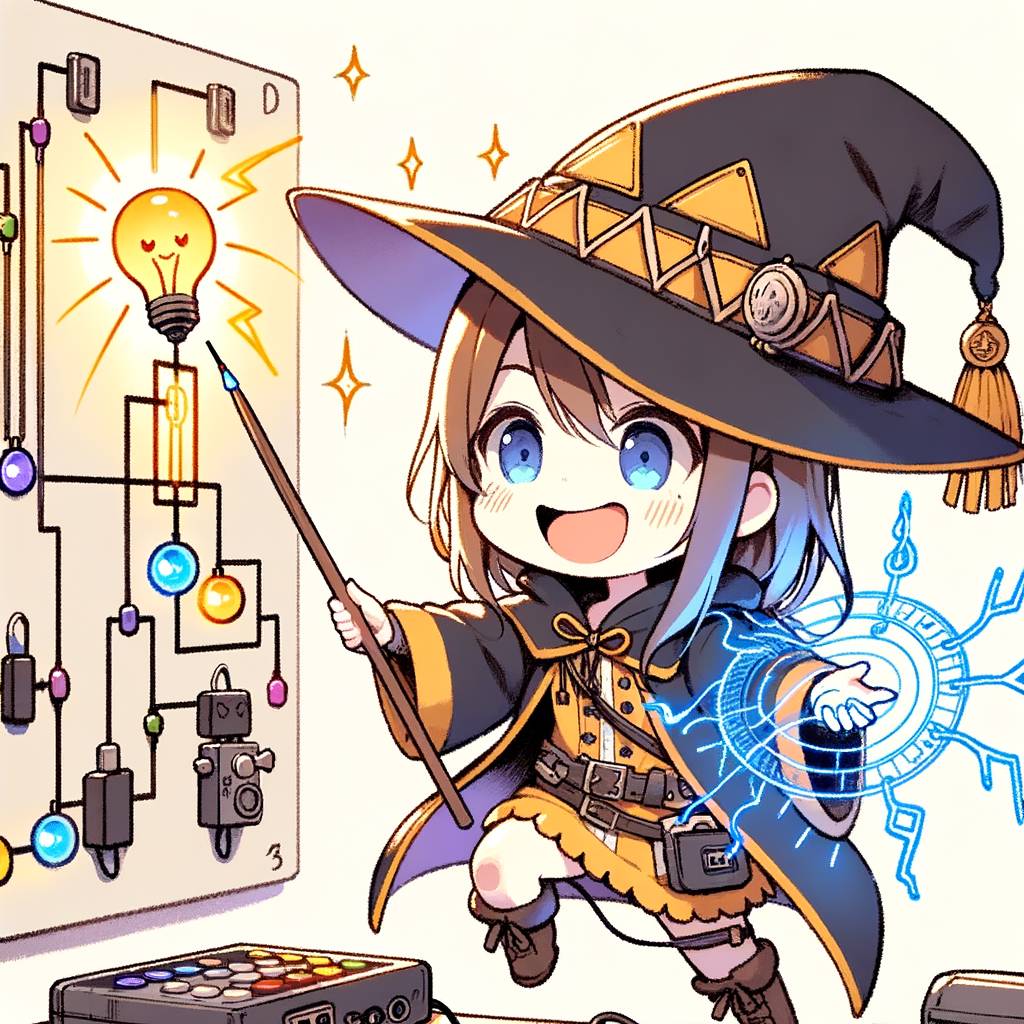
For those of you who are tech enthusiasts, there are exciting ways to integrate technology directly into your costumes:
- LEDs in the costume: With programmable LEDs, you can build lighting effects directly into your costume that react to music or movement.
- Sound modules: Small speakers and sound modules can be integrated into props or costumes to play sounds or music.
- Interactive control: With microcontrollers such as Arduino or Raspberry Pi, you can control complex lighting and sound effects and even make them respond to movement or touch.
One example of integrating IoT technology into cosplay is the “IoT Skullfort,” a costume connected to the internet that allows the audience to change the color of the “Skullfort” via a mobile app. This shows how technology and cosplay can be combined in innovative ways to create interactive experiences. (arxiv.org)
Tips for a Successful Execution
- Rehearse, rehearse, rehearse: Thoroughly test all technical elements in advance to make sure everything runs smoothly.
- Backup plan: Keep spare batteries, cables, and other important equipment ready in case something goes wrong.
- Audience interaction: Plan moments where the audience is actively involved in the performance, whether through lighting changes or sound effects.
A Look Behind the Scenes at Nekodanshi
At Nekodanshi, we combine our passion for cosplay with innovative event marketing concepts. We not only offer impressive cosplay walk acts for events, companies, and trade fairs, but also support cosplay conventions with our own booths and talented cosplayers. Our cosplayers can register in our free NekoConnect directory to network and get booked. (nekodanshi.de)
So the next time you plan a performance, remember: with the right technology and a bit of imagination, you can turn your cosplay show into an unforgettable experience. And who knows, maybe we’ll see you soon at a convention or an event where technology and imagination come together!
Questions on the Topic
What are the benefits of lighting and sound concepts in cosplay?
Lighting and sound concepts are crucial for shaping the atmosphere of a performance, highlighting special details, and introducing interactive elements that captivate the audience.
What equipment is required to implement lighting and sound effects?
Implementation requires, among other things, LED spotlights, stage lights, colored filters, a high-quality sound system, a lighting mixer, and an audio interface.
How can technology be integrated into cosplay costumes?
By incorporating programmable LEDs, sound modules, and using microcontrollers such as Arduino or Raspberry Pi, interactive lighting and sound effects can be built directly into costumes.
What is the “IoT Skullfort” and how does it demonstrate the connection between technology and cosplay?
The “IoT Skullfort” is a costume connected to the internet that allows the audience to change the color of the “Skullfort” via a mobile app, demonstrating the innovative combination of technology and cosplay.
What tips are there for successfully implementing lighting and sound concepts in cosplay?
Important tips include thorough rehearsals, preparing a backup plan, and planning moments of audience interaction to optimize the performance.